
April 28, 2026
9,359 Reads
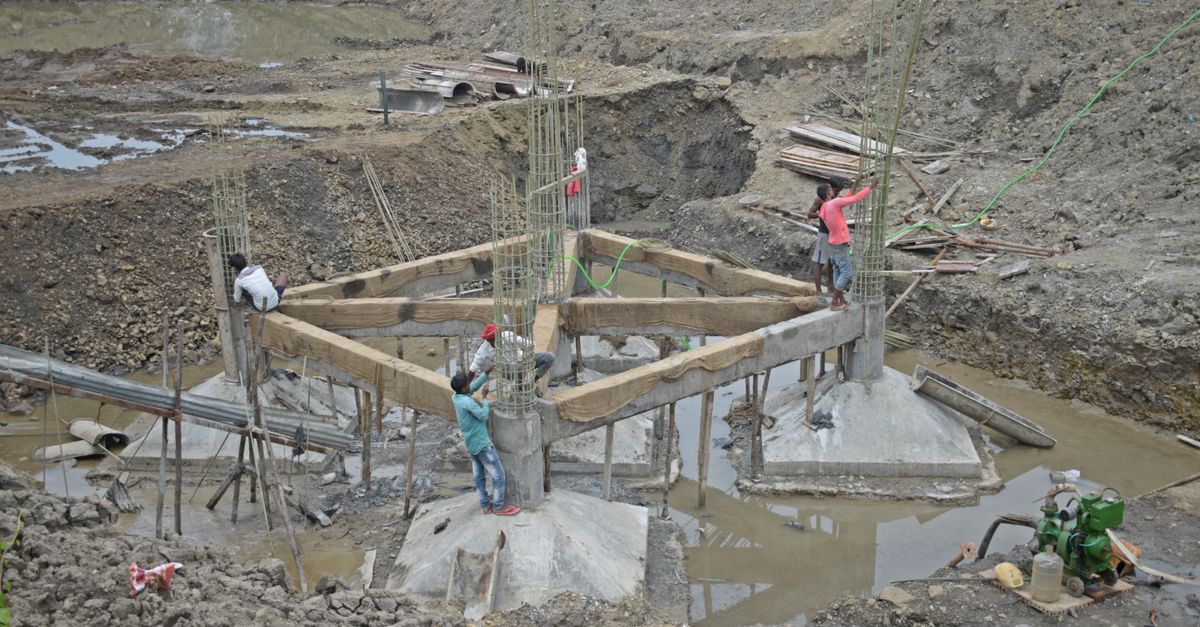
We often talk about innovation, speed, and quality, but what about the unseen cost? It’s the silent saboteur that creeps up when we cut corners, ignore technical debt, or chase hype without a solid architectural plan. Think of your tech stack like a building. The UI/UX is the beautiful facade and interior design, but the backend and infrastructure? That’s the foundation, the plumbing, the electrical system. If those aren't robust, well-maintained, and thoughtfully designed, no amount of pretty paint will stop the whole thing from crumbling.
Let's get real about architectural resilience. Everyone's buzzing about microservices, and for good reason – they can offer incredible flexibility and scalability. But here’s the thing: they’re not a silver bullet. I’ve seen companies jump headfirst into microservices, tearing apart a perfectly functional monolith, only to find themselves drowning in distributed system complexity, communication overhead, and a debugging nightmare. The unseen cost here isn't just the development hours; it's the lost productivity, the increased cognitive load on engineers, and the potential for more frequent, harder-to-diagnose outages.
A monolith, when designed thoughtfully and modularly, can be incredibly efficient and resilient. The key isn't blindly following trends, but understanding your specific needs. It's about asking: what problem are we really trying to solve? Is our current architecture truly holding us back, or are we just bored? Sometimes, the "boring" solution – optimizing your existing monolith, carefully extracting services where it makes sense – is the most pragmatic and resilient path forward. It’s about building systems that can survive scale, not just look good on a whiteboard.
Speaking of foundations, let's chat about legacy modernization. It’s a heck of a lot more than just rewriting old code. It’s about understanding the intricate web of business logic, data flows, and hidden dependencies that have accumulated over years. The unseen cost of neglecting legacy systems is astronomical: security vulnerabilities, slow development cycles, difficulty attracting talent, and a constant fear of breaking something critical. It’s like trying to run a marathon with a high-interest loan of technical debt strapped to your back.
Effective modernization isn't a rip-and-replace job; it's a strategic, phased approach. It involves careful analysis, building robust APIs to decouple systems, and often, a strangler pattern where new services gradually replace old functionalities. It’s about injecting quality and innovation into the core, ensuring that as you modernize, you’re also building for future resilience and ethical considerations, not just patching holes.
Artificial Intelligence is everywhere, and it’s exciting! But behind every groundbreaking AI model is a colossal infrastructure. We're talking about massive data pipelines, specialized hardware, robust MLOps, and a whole lot of compute power. The unseen cost of AI isn't just the model development; it's the infrastructure to train, deploy, monitor, and ethically govern these systems at scale. Without a solid backend and DevOps strategy, your AI initiatives will struggle to move beyond proof-of-concept.
And let's not forget engineering ethics here. Building AI isn't just about making it work; it's about making it work responsibly. Are your data pipelines secure? Is your model explainable? Are you mitigating bias? These aren't just academic questions; they're architectural and infrastructural challenges that demand rigor and foresight from the very beginning. Ethical creativity means designing systems that are not only powerful but also fair, transparent, and accountable.
Ultimately, the health of your backend, your infrastructure, and your entire tech operation boils down to the human systems in place. DevOps isn't just a set of tools; it's a culture of collaboration, shared responsibility, and continuous improvement. Leadership plays a crucial role in fostering this environment, prioritizing long-term viability over short-term gains, and understanding the unseen costs of technical debt and poor architectural decisions.
Integrating quality, innovation, speed, and ethical creativity isn't just a philosophy; it’s a daily practice. It means investing in robust CI/CD pipelines, fostering a strong code review culture, and empowering engineers to advocate for architectural integrity. It means building a culture where silence isn't expensive – where concerns about system stability, security, or ethical implications are heard and addressed proactively.
So, how do you ensure your engine room is humming along, not sputtering? Here’s a quick audit framework to get you thinking:
Your backend isn't just code; it's the beating heart of your business. Investing in its health, resilience, and ethical foundation isn't an expense – it's the smartest investment you can make for sustainable growth and long-term success. Let's build systems that don't just work, but thrive.