
April 20, 2026
5,040 Reads
Remember that massive outage last year? The one that brought a major e-commerce site to its knees right before a huge sale? Everyone pointed fingers at a 'bug' or a 'server hiccup.' But let's be real, it was rarely just one thing. More often than not, it's the culmination of years of architectural compromises, unseen costs piling up, and a foundation that was never truly built to last. That's the silent saboteur we're here to unmask today.
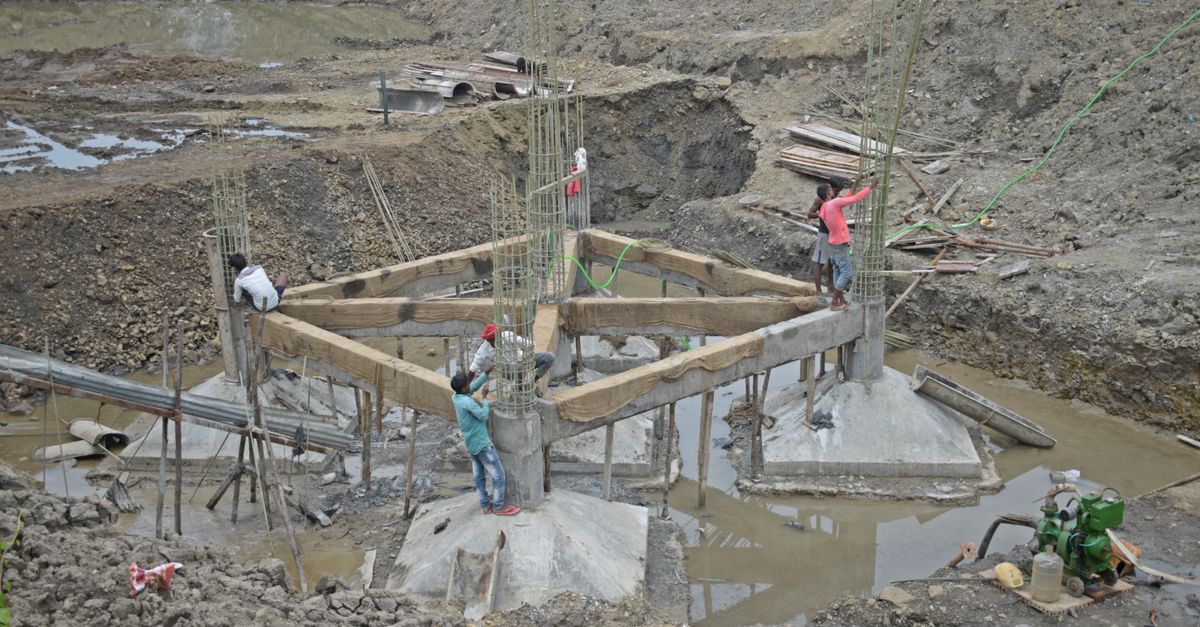
Think of your tech stack like a house. The user interface, the shiny app, that's the paint job and the furniture. What we're discussing is the foundation, the plumbing, the electrical wiring – everything hidden behind the walls. When you cut corners on that stuff, it might look fine for a while, but eventually, the cracks start to show. And fixing them later? That's where the unseen costs really hit.
These aren't just monetary costs, though those are a heck of a lot. We're talking about the cost of slow development cycles, constant firefighting, developer burnout, missed market opportunities, and ultimately, a loss of trust from your users. It's like taking out a high-interest loan: you get a quick win now, but you pay back way more in the long run. This technical debt isn't just lines of code; it's a strategic liability that can cripple innovation and speed.
One of the biggest architectural debates revolves around monoliths versus microservices. For years, the buzz was all about breaking everything down into tiny, independent services. And sure, microservices offer incredible benefits for scalability and team autonomy, letting different teams work on different parts without stepping on each other's toes. But they also introduce a whole new level of complexity in terms of infrastructure, deployment, and monitoring. It's like going from one big, sturdy house to a village of tiny, interconnected cabins – each needs its own maintenance, security, and communication lines.
On the flip side, a well-designed monolith can be incredibly efficient, simpler to manage, and faster to develop initially. The unseen cost here often comes when a monolith isn't well-designed – when it becomes a tangled mess of tightly coupled components, making any change a terrifying game of Jenga. The real choice isn't about one being inherently better; it's about understanding your team's capabilities, your business needs, and the long-term implications of either path. It's about architectural resilience – building systems that can bend, not break, under pressure and scale.
Now, let's sprinkle in some AI. Everyone wants to leverage AI, and rightly so. But integrating cutting-edge AI models into a creaky, legacy system? That's like trying to put a jet engine on a horse-drawn carriage. Legacy modernization isn't just about rewriting old code; it's about re-evaluating the entire infrastructure, data pipelines, and architectural patterns to support future innovation. The unseen cost of neglecting legacy systems isn't just maintenance; it's the inability to adopt transformative technologies like AI, leaving you behind the curve.
This brings us to engineering ethics. Building robust, maintainable, and scalable systems isn't just good business; it's an ethical responsibility. We have a duty to our users to provide reliable services, protect their data, and ensure accessibility. We also have a duty to our fellow engineers and future generations to leave behind systems that are understandable, manageable, and not a source of constant frustration. Ethical creativity means finding innovative solutions that prioritize long-term quality and sustainability over short-term gains, ensuring speed doesn't compromise integrity.
So, how do you start tackling these unseen costs and build a more resilient engine room? It begins with awareness and a commitment to rigor. Here's a quick audit framework to get you thinking:
Building a resilient tech foundation isn't a one-time project; it's an ongoing commitment. It requires a blend of quality, innovation, speed, and ethical creativity. By shining a light on these unseen costs, you're not just preventing future disasters; you're empowering your teams, delighting your users, and building a truly sustainable digital future. It's tough work, but it's the most important work we do.