
March 29, 2026
1,151 Reads
Hey there, friend. Let's grab a virtual coffee and talk about something that doesn't always get the spotlight, but absolutely makes or breaks our digital world: the engine room of tech. I'm talking backend systems, infrastructure, DevOps magic, and the leadership decisions shaping it all. It's the stuff beneath the shiny UI, the gears keeping everything running smoothly – or, sometimes, grinding to a halt. Ignoring this part comes with a hefty, often unseen, price tag.
We're obsessed with speed, aren't we? 'Launch fast, iterate faster!' is the mantra. While agility is great, it often pushes teams to take shortcuts, building on shaky ground just to hit a deadline. This is where 'tech debt' accumulates. Think of it like a high-interest loan: you get the feature now, but you'll pay back a lot more later in maintenance, bugs, and slower development. It's the unseen cost quietly eating away at your budget and team morale.
Take the monolith versus microservices debate. Everyone's heard the hype, right? But jumping on that bandwagon without a clear strategy, or understanding your team's capabilities, can be a disaster. You might end up with a 'distributed monolith' – all the complexity with none of the benefits. The real cost isn't just the initial build; it's operational overhead, debugging nightmares, and the sheer mental load on engineers when things inevitably go wrong. Choosing the right architecture is about pragmatism, not chasing the latest trend. It's about building for resilience, ensuring your systems handle the unexpected without falling apart.
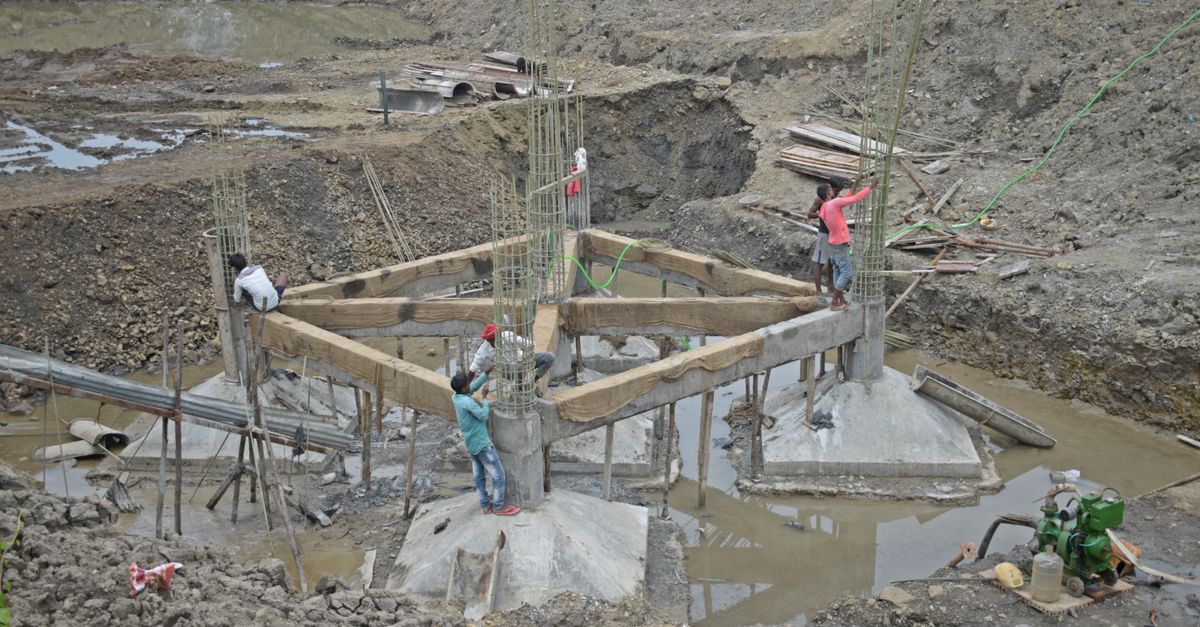
So, how do we avoid these pitfalls? It starts with a mindset shift. We need to stop seeing infrastructure as just a cost center and start viewing it as a strategic asset. Robust infrastructure isn't glamorous, but it's the bedrock of everything you do – the 'boring' solution that saves you from spectacular failures.
Then there are legacy systems. Oh, legacy. It's easy to dismiss them as 'old code,' but they're often critical. The cost of not modernizing isn't just slower performance; it's security vulnerabilities, difficulty integrating new features, and the pain of finding engineers for ancient tech. Modernization isn't a 'nice-to-have'; it's an investment in your future.
This also ties into the 'build vs. buy' dilemma. Building custom offers control but has ongoing costs. Buying might be faster but ties you to a vendor. The unseen cost here is often opportunity: what else could your talented engineers be doing? It's about smart, long-term decisions balancing innovation, stability, and cost-effectiveness.
Let's get real for a moment. Our technical decisions aren't just about code; they have real-world impacts. This is where engineering ethics come into play. Are we building systems that are reliable, secure, and fair? Are we considering user privacy? Are we making sure our systems are accessible to everyone? These aren't just checkboxes; they're fundamental responsibilities.
A culture of rigor, driven by ethical creativity, truly sets great engineering teams apart. It's about integrating quality, innovation, and speed, always with an ethical compass. This means robust CI/CD pipelines aren't just automation; they ensure consistent quality. Code reviews aren't just about catching bugs; they're about knowledge sharing, mentorship, and collective ownership. When leadership champions these values, engineers feel empowered to do things the right way, not just the fast way. It's about building trust, both within the team and with your users.
So, how can you start looking for these silent saboteurs in your own engine room? Here's a little audit framework you can use, maybe over your next coffee break:
The engine room might not be the flashiest part of your tech stack, but it's the most vital. Investing in architectural resilience, robust infrastructure, and a culture of ethical rigor isn't just about avoiding outages; it's about enabling true innovation, fostering a happier, more productive team, and ultimately, building products that stand the test of time. So, next time you're thinking about your tech, take a moment to peek under the hood. What hidden costs are lurking? It's time to make those silent saboteurs speak up, so you can build something truly amazing.