
December 8, 2025
4,822 Reads
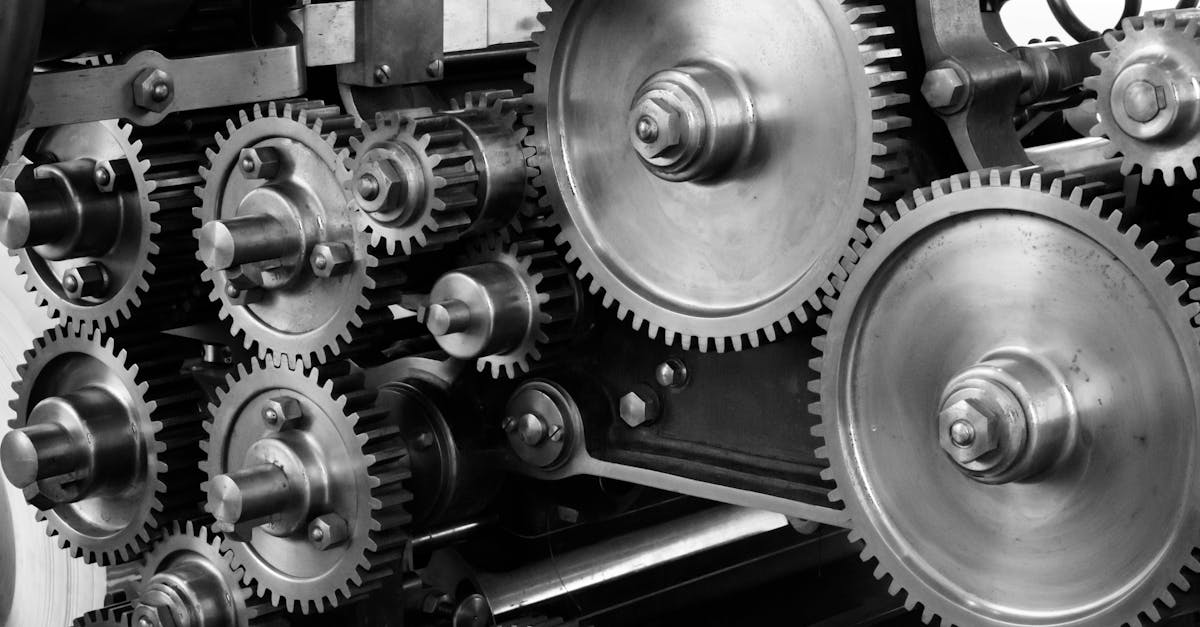
Ignoring this vital space is like driving a sports car with a rusty engine. It might look great on the outside, but eventually, it's going to break down, and the repairs will be a heck of a lot more expensive than regular maintenance. Today, let's chat about the unseen costs lurking in your tech's engine room and how we can build systems that truly last.
We've all been there. A deadline looms, and the pressure is on to ship something, anything, fast. So, we cut a corner here, make a quick fix there, maybe skip a few tests. It feels good in the moment, doesn't it? You hit that deadline, everyone cheers, and you move on. But what you've just done is take out a high-interest loan – what we in the tech world call "technical debt." And trust me, that interest accrues fast.
Think about it like building a house. You could throw up some walls and a roof super quickly, but if you skimp on the foundation, use cheap materials, or ignore the plumbing, you're setting yourself up for a world of pain. Cracks will appear, pipes will burst, and eventually, you'll have to tear it all down and start over, costing you way more time and money than if you'd built it right the first time. That's the unseen cost of architectural shortcuts. It's not just about a bug; it's about the entire system becoming brittle, hard to change, and prone to catastrophic failures when it tries to scale.
This is especially true when we talk about legacy modernization. Many businesses are running on systems built decades ago, not designed for today's cloud-native, always-on world. Trying to bolt new features onto an old, creaky monolith without a thoughtful strategy is like trying to put a jet engine on a horse-drawn carriage. It just won't work, or if it does, it'll be incredibly inefficient and unstable. The cost isn't just the migration; it's the ongoing struggle, the missed opportunities, and the constant firefighting that drains your team's energy and budget.
Good architecture isn't just about servers and code; it's deeply, fundamentally about people. When we make poor architectural choices, or let technical debt pile up, it doesn't just impact the system; it impacts the humans who have to work with it every single day. Imagine being an engineer constantly battling an unstable system, fixing the same bugs over and over, or trying to innovate when every change feels like defusing a bomb. It's exhausting, demoralizing, and a fast track to burnout.
This is where engineering ethics really come into play. As leaders and builders, we have a responsibility to create maintainable, robust systems. It's about respecting our colleagues' time and mental well-being, and ultimately, about delivering reliable service to our customers. A healthy engine room fosters a culture of innovation, where teams feel empowered to experiment and build new things, rather than being stuck in a perpetual state of crisis management.
Things like robust CI/CD pipelines, thorough code reviews, and a culture that values quality over rushed delivery aren't just "nice-to-haves." They're essential components of a resilient architecture and a healthy team. They're the guardrails that prevent those unseen costs from spiraling out of control, ensuring that the human systems supporting the tech are just as strong as the tech itself.
So, how do we move from firefighting to future-proofing? It starts with strategic foresight and a commitment to rigor. Instead of just reacting, we need to proactively think about the long-term viability of our systems. This means asking tough questions: Is this a "build vs. buy" situation? What are the implications of choosing a monolith over microservices, or vice-versa, five years down the line? What's the total cost of ownership, not just the initial development cost?
It's about embracing the "boring" solutions – the pragmatic choices that might not be the flashiest but are incredibly robust and maintainable. It's about investing in thoughtful design, comprehensive testing, and continuous improvement. It's about understanding that an API isn't just an endpoint; it's a contract, a public face of your system that needs to be stable and well-documented.
This rigor isn't about slowing down; it's about building a foundation that allows you to move faster and more confidently in the long run. It integrates quality, innovation, speed, and ethical creativity into the very fabric of your development process. When your engine room is humming along, well-maintained and thoughtfully designed, your entire business can accelerate with confidence.
So, we've talked about the hidden costs, the human impact, and the path to building resilient systems. It's clear that the engine room of your tech isn't just a technical detail; it's a strategic asset. Ignoring it is a gamble you really can't afford to take.
Ready to peek under the hood of your own operations? Here's a quick audit framework to get you started:
Don't just read about it! Pick one small area in your business where these unseen costs might be lurking and start exploring today. Your future self, and your team, will thank you.